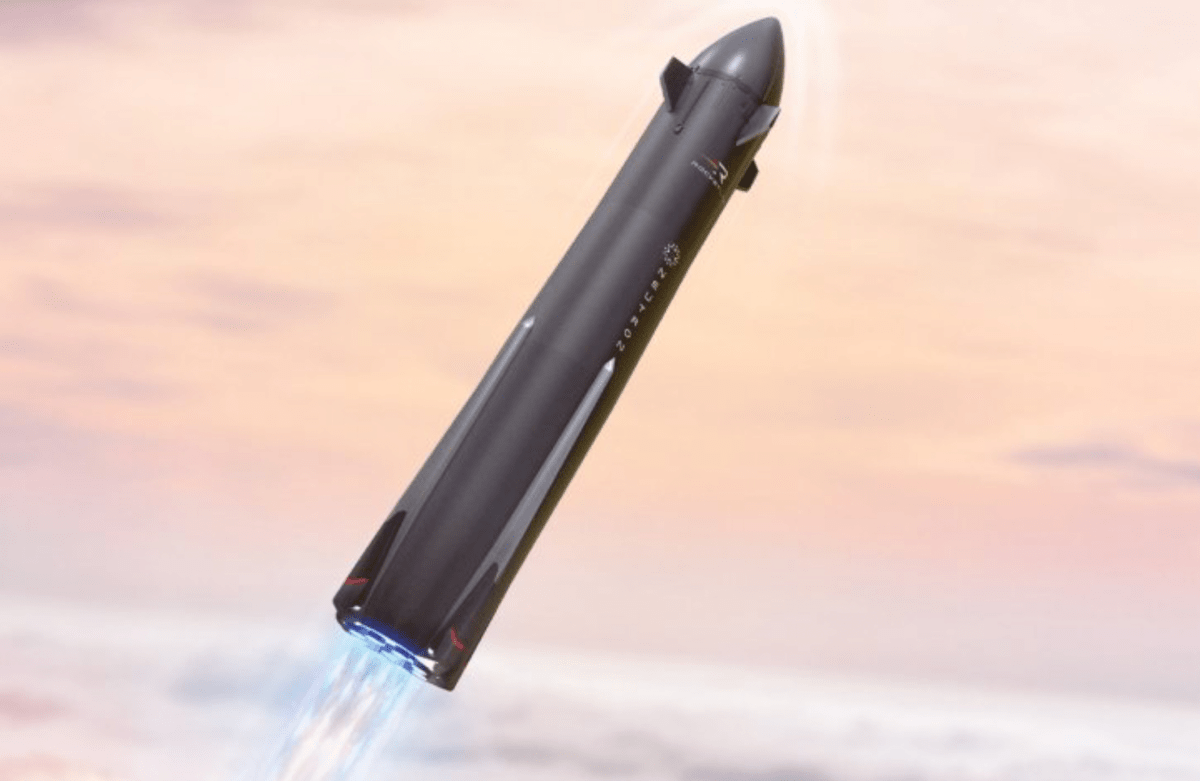
- What is the “Rocket Lab’s Neutron Rocket Launch by December 31?” market asking?
- It asks whether the following will happen: Rocket Lab’s Neutron Rocket Launch by December 31? Traders buy Yes shares if they think it will and No shares if they think it will not.
- What do the Yes and No prices mean?
- At the last observation Yes traded at 0.0¢ and No at 100.0¢. A Yes share pays $1 if the market resolves Yes, so its price is the market's implied probability: 0.0% for Yes and 100.0% for No. The two prices add up to about one dollar.
- How did this market resolve?
- It resolved No on 1 Jan 2026. Trading has stopped; the record of prices, holders and trades stays on this page.
- How does this market resolve?
- If Rocket Lab’s Neutron rocket successfully launches from its launch pad by December 31, 2025, 11:59 PM ET, this market will resolve to “Yes”. Otherwise, this market will resolve to “No.” The outcome of any launch will be corroborated by examining official video provided by Rocket Lab (https://www.youtube.com/@RocketLabCorp), as well as secondary video feeds and/or written reports if necessary. Any subsequent anomaly (e.g., explosion or failed ascent) after the initial liftoff will have no bearing on the outcome. Any name change or rebranding of the Neutron vehicle will have no bearing on…
- What is the difference between volume, liquidity and open interest?
- Volume is the dollar value of shares traded in a period, liquidity is the dollar value resting in the order book ready to be traded against, and open interest is the value of all shares currently held. Volume measures activity, liquidity measures how easily you can trade, and open interest measures how much is at stake.