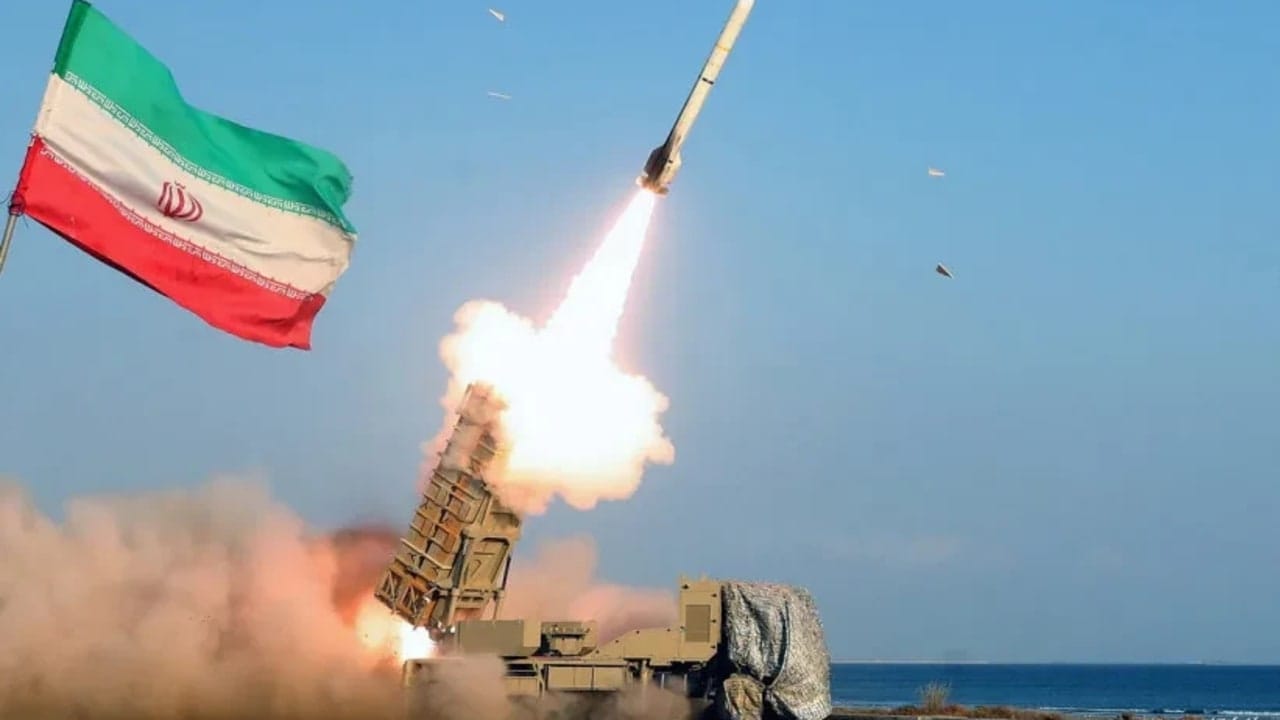
- What is the “Will Iran strike no countries in March?” market asking?
- It asks whether the following will happen: Will Iran strike no countries in March? It is one of the markets in the Polymarket event “How many different countries will Iran strike in March?”. Traders buy Yes shares if they think it will and No shares if they think it will not.
- What do the Yes and No prices mean?
- At the last observation Yes traded at 0.0¢ and No at 100.0¢. A Yes share pays $1 if the market resolves Yes, so its price is the market's implied probability: 0.0% for Yes and 100.0% for No. The two prices add up to about one dollar.
- How did this market resolve?
- It resolved No on 2 Mar 2026. Trading has stopped; the record of prices, holders and trades stays on this page.
- How does this market resolve?
- This market will resolve according to the total number of different sovereign UN member states' soil that Iran initiates a drone, missile, or air strike between March 1, 2026, 12:00 AM ET and March 31, 2026, 11:59 PM ET. Strikes on embassies or consulates will count towards the country where the embassy or consulate is located, not towards the country they represent. Strikes within the West Bank or the Gaza Strip, will be counted as Israel. Only military actions by Iranian forces explicitly claimed by the Islamic Republic of Iran, or confirmed to have originated from Iranian territory will… Resolution source: https://images.jpost.com/image/upload/f_auto,fl_lossy/q_auto/c_fill,g_faces:center,h_720,w_1280/669119.
- What is the difference between volume, liquidity and open interest?
- Volume is the dollar value of shares traded in a period, liquidity is the dollar value resting in the order book ready to be traded against, and open interest is the value of all shares currently held. Volume measures activity, liquidity measures how easily you can trade, and open interest measures how much is at stake.